Showing posts with label Ideas. Show all posts

Il caso Monte dei Paschi di Siena e il ruolo dell'Europa.

Pin It Now!
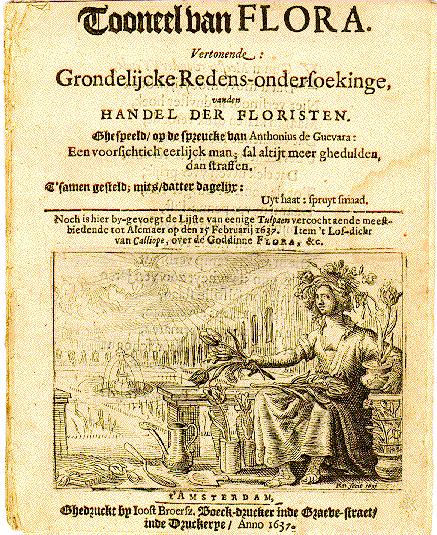
Da leggere ASSOLUTAMENTE per imparare la lezione dalla storia (MPS e il crack del 1637 alla Borsa di Amsterdam che portò alla più tragica crisi dell'Europa moderna).
Vedete che la cultura serve...?

Libero Pensiero: la casa degli italiani esuli in patria: Il caso Monte dei Paschi di Siena e il ruolo dell'Europa: di Sergio Di Cori Modigliani “Coloro che non possono ricordare il passato, sono condannati a ripeterlo”                       ...

(Pamphlet from the Dutch tulipomania, printed in 1637)

LA SINTESI? È UN GIOCO | Nuovo e Utile

Pin It Now!
Nuovo e Utile - Teorie e pratiche della creatività


LA SINTESI? È UN GIOCO

Guardate l'immagine qui sopra. Li riconoscete? Sono la famiglia più famosa della tv. Il gioco funziona perché, dei tratti che delineano i Simpson, in questa sintesi rimangono quelli fondamentali: sono una famiglia e hanno una palette di colori e delle proporzioni inconfondibili.
Sintetizzare è complicato. I risultati, però, sono divertenti: si possono riassumere 5.681 puntate di Beautiful in sei - esilaranti - minuti. O si può trasformare un film in un cartone animato di 30 secondi. Tom Stoppard (sceneggiatore di Shakespeare in love) riduce l’Amleto a una pièce di 15 minuti. Online si trovano parecchie versioni filmate. Questa - in inglese, purtroppo - è una delle migliori. Qui, se siete curiosi, c'è lo script originale. Qualche tempo fa vi abbiamo linkato le riduzioni dei Promessi Sposi e dei Sopranos.
A proposito di storie, la casa editrice Einaudi lancia Twittertrame: si può riassumere un libro in meno di 140 caratteri? In tantissimi rispondono con sintesi fulminanti. Eccone alcune: I fiammiferi non si rivelano un buon business per una ragazza senza famiglia. E chiude l’anno a un punto morto. O Da quando la sua schiena è un carapace in famiglia non c'è pace. Oppure Il Capitano insegue per i sette mari una dama bianca. Tanto ne è coinvolto che ne resta avvolto. Testimone Ismaele. Gioca anche l’enigmista Stefano Bartezzaghi che, non contento dei limiti di spazio, aggiunge anche l'acrostico: Là A Viggiù Il Triste Adolescente Orfano Sniffa Coca E Non Ama. Giochiamo anche noi? Per contare i caratteri potete usare questo tool online.
Dai, comincio io. Un pagliaccio disumano storpia, uccide: siam nel guano! Ma alla fine nei tombini lo rimandano i bambini.

Libri - JOHN BROCKMAN, EDGE - Cultura e mente: la rete delle reti neurodigitali - Luca De Biase

Pin It Now!

Libri - JOHN BROCKMAN, EDGE - Cultura e mente: la rete delle reti neurodigitali


Luca De Biase
on October 9, 2011 8:31 AM

More about CultureEdge è un fantastico gruppo di persone che riflettono sul futuro che stiamo costruendo. E si manifesta in un sito ricchissimo di lezioni, dibattiti e saggi che vanno a esplorare le dimensioni più affascinanti della vita intellettuale contemporanea; organizza convegni e lezioni dal vivo; sostiene i partecipanti che scrivono un libro sulla loro materia. L'anima di Edge è John Brockman. Che ora è riuscito anche a pubblicare alcuni libri che raccolgono alcuni tra i saggi più interessanti del gruppo. I primi che ho in mano sono Culture e Mind.
John Brockman lavora a New York, in un ufficio sulla piazzetta che si apre dove la 5 Avenue arriva all'angolo del Central Park. Per chi lo vada a trovare d'estate, l'esperienza è fisicamente oltre che intellettualmente sfidante. L'aria condizionata crea l'atmosfera tipica dell'interno di un frigorifero. Il silenzio è completo. "Veniamo qui per riflettere. Se dobbiamo comunicare lo facciamo via internet, anche da una stanza all'altra. Passiamo giornate senza dire nulla. Ma lo scambio di idee è incessante". E piuttosto ricco. Brockman vive facendo l'agente letterario e molti dei suoi autori sono diventati dei veri e propri bestseller anche grazie alle sua capacità.
In questi giorni sta lavorando con i suoi più antichi colleghi, Stewart Brand in testa (fondatore dello Whole Earth Catalog e autore della celebre frase "stay hungry stay foolish" citata da Steve Jobs nel suo discorso di Stanford), sta lavorando alla grande domanda annuale che provocherà come sempre un vigoroso dibattito all'inizio del prossimo anno.
I due libri con i quali Edge che Brockman propone sono raccolte di saggi importanti sui concetti di "cultura" e "mente".
Cultura, si apre con un saggio di Daniel Dennett che interpreta il concetto in chiave "evoluzionistica". Prosegue con Jared Diamond che si domanda "perché certe società prendono decisioni disastrose". Denis Dutton si occupa di una visione "darwiniana della personalità umana". Steward Brand riproduce il suo famoso saggio nel quale sostiene che "siamo come dèi e dobbiamo imparare a essere bravi in questo compito". Molti altri saggi. Tra questi, David Gelernter con il suo "È ora di occuparsi di internet seriamente" (2010). Dice Gelernter che internet non è un argomento tipo i cellulari e le console per videogiochi: è un argomento tipo l'educazione. E se è così importante dobbiamo cominciare a dedicarci davvero a comprenderlo. Il libro dedicato alla cultura contiene poi straordinari saggi di Jaron Lanier, Clay Shirky, Nicholas Christakis, Douglas Rushkoff, Evgeny Morozov, Brian Arthur, Richard Foreman, Frank Schirrmacher, Daniel Hillis.
Cultura e mente. Difficile scegliere temi più complessi e affascianti. Perché consentono contemporaneamente di riflettere sull'umanità e la scientificità di quello che sappiamo di noi e del modo che abbiamo per sapere qualcosa di noi.
More about The MindLa cultura e la mente appaiono nelle pagine di Edge come dimensioni collegate da una metafora comune. La rete. La cultura emerge dalla rete di collegamenti tra i cervelli che sono a loro volta reti di neuroni: una rete digitale che estende le facoltà della rete cerebrale. Le conseguenze di questa metafora sono ricchissime. E ovviamente vengono affrontate da Edge con il piglio scientifico di chi non si innamora delle ipotesi ma le sottopone costantemente a verifica. E quando la verifica appare abbastanza solida le comunica con la gioia di avere contribuito al sapere di tutti.
John Brockman è riuscito a realizzare qualcosa di rarissimo. Il suo gruppo si pone problemi filosoficamente, scientificamente, umanamente enormi, con la leggerezza di chi è consapevole che non molti altri circoli intellettuali nel mondo hanno il coraggio di porseli altrettanto chiaramente e con altrettanta competenza. Ne emerge tra l'altro un sistema generoso verso ogni tipo di pubblico: la dedizione di Brockman e dei suoi autori alimenta l'accesso a saperi e pensieri finissimi, diffusi gratuitamente online. E bisogna dire che questa generosità del gruppo di Edge è ripagata dalla generosità del pubblico verso gli autori quando pubblicano i loro libri.
(Gli altri libri citati nel corso degli anni in questo blog)

Ahref propone Timu: per fare squadra nell'informazione civile - Luca De Biase

Pin It Now!
Timu_home_foto
Sarebbe bello se ci fosse un modo per condividere informazioni senza cedere i contenuti alle piattaforme che usiamo, se l'indirizzo sul quale pubblichiamo restasse di nostra proprietà, se il metodo con il quale pubblichiamo fosse discusso e migliorato insieme, se potessimo imparare a fare meglio quello che vogliamo fare, se ci fosse un modo per lanciare iniziative di ricerca di informazione da fare insieme e, magari, essere premiati per la qualità di quello che facciamo... Sarebbe bello, dunque, perché non tentare di farlo? Il tentativo proposto dalla Fondazione Ahref si chiama Timu. Ho contribuito anch'io a immaginarlo. E una squadra di studiosi, programmatori, esperti ed entusiasti lo ha realizzato. Sarebbe bello che chi passa da questo blog si interessasse all'idea e volesse dedicasse un po' di tempo a vedere se funziona, se può servire, come può migliorare. Come ogni beta Timu può migliorare solo attraverso una bella pratica di proposte, feedback, miglioramenti, e così via.
Di che si tratta?

Future of the Book | IDEO

Pin It Now!
Media_httpwwwideocomi_fmhbg
Exploring the potential of book publishing in digital formats
The Future of the Book is a design exploration of digital reading that seeks to identify new opportunities for readers, publishers, and authors to discover, consume, and connect in different formats.
As more people consume pages in pixels, IDEO designers wondered why we continue to discover and consume the written word through the old analog, page-turning model. We asked: what happens when the reading experience catches up with new technologies?

International Design Competition | Spark Awards - About

Pin It Now!
Media_httpwwwsparkawa_yaery

Welcome to the Spark World of Design


And welcome to the world's first multi-level design competition—the SparkAwards. Designers from all levels and skill-sets are welcome, be they professional, novice or student.

We are always happy to see new friends and participants join us from around the world. The Spark website is the homebase, with outposts at LinkedIn, Youtube, Facebook and Twitter to add plenty of ways to communicate about design, creativity and sustainability. We hope you will actively participate, and help celebrate the Spirit of Design!

Lot's of projects are being cooked up for the coming months, and if you visit regularly, you'll be among the first to hear about them. Sign up >

HERE
.

If you haven't seen it, here's our latest SparkNewsNow newsletter:

>HERE

Please keep in touch. We NEED your suggestions to keep Spark hot!
All Best--
--Peter Kuchnicki
Spark Director


TRANS:MISSION


Normal 0 The Spark mission is to promote better living through better design. The Spark founders believe Design is an important, relevant tool to help build a better world. We feel that Design and designers act as catalysts, addressing problems and improving our lives and our Earth. Designers may be from anywhere, of any age, of any education. But they design!

Spark is a bold new competition—a unique crossroads of design, where the interests of all participants in the community are represented and their strengths brought to bear. Spark leaps beyond the mid-century view of design. In this new world, how do the best ideas and best designs gain recognition? SparkAwards will validate superlative designs from professionals. But we also need a filter for the best novice designers and innovators, too. The world is now participating in design—let's enable the best formgivers to rise to the top.

Spark is about Change—designed change. Change for the better: studied, researched, cognizant of criteria like sustainability, suitability, context, inventiveness, process, universality—and yes, beauty.

Ultimately, one must ask why this is important. Commerce is important, but it is a means to an end. We might call the real goal "betterment." Better lives, better health, better water, better air. Great design can help us get there. Do your part—make designs that make a difference. We'll help.

BACKSTORY: A SPARK IN THE DARK

The story of Spark starts with a competition created by events producer Peter Kuchnicki in February, 2001. As Peter tells it, the time for change was at hand. “In the ten years prior, we had produced over 60 conferences and events, mostly for the advertising and media businesses. A few competitions were in that mix, so we knew they were fun to be involved with. Conferences are difficult and commercial topics were becoming boring. We wanted to break out and support sustainable design, advanced transportation and universal design. We needed another platform.”

Peter continued “In 2000 we began a series of conferences for the multi-disciplinary design magazine, Metropolis, with famous Editor Susan Szenasy. These were excellent affairs and introduced us  to a delightful group of designers and architects. We were very impressed with this audience, but the Metropolis Conferences were coming to an end. Remembering our earlier work in the advertising community, we created a new awards competition as a side-event to the last two conferences. We called it Designing Worlds.”

Designing Worlds was a side-event that became the main event. Bobby Kennedy Jr. was the keynote speaker, the entrants were all students and the subject, sustainable design. As Peter related, “From the audience reaction, we knew this was the future. Now we had to turn it into an ongoing operation,”. “We took a little longer than planned – other events in 2001 took precedence. When we came back to the project, our friends in the related design disciplines were adamant about one thing—they were just not going to support another highly commercial, peer to peer design competition.” Brent Oppenheimer, Principal of O+Co in NYC, made it clear: “We have dozens of these things—we are obligated to enter them but they give me no pleasure. We’re looking for a higher angel—a way to promote societal advancement and innovation—not just ourselves.”

A unique fusion of talented professionals began to fashion the Spark initiative—top designers like Kit Hinrichs, then a senior Pentagram partner, Sam Lucente, former head of all design for Hewlett-Packard, pioneering digital film-maker Drew Takahashi and many others-- filmmakers,  advertising folk, architects, all types of designers, kids and a few moms and dads. Media partners helped too—like the hot US magazines Dwell and Automobile, China's Design 360, Australia's Curve and Korea's DesignNet Magazine and Monthly<Design>. A few enlightened corporations began to underwrite the project too—Autodesk was—and is an essential partner.

So, as Peter “made the rounds” and gathered  the new Spark Awards Advisory Council and Community Boards, the mission gradually evolved to become the initiative you see today. Their motto “One For All” reflects the “design for everyone” scope of the program. Simpler yet, the Spark “elevator speech” boils it down to four tenets: Spark supports Multi-disciplinary, Multi-cultural, Global and Aspirational Design--for all.

And don’t forget Fabulous!


©2011 Spark Design Awards™ All rights reserved

>Register for Spark Today!

>Questions? Ask Spark HERE


Video: How Steve Jobs's Early Vision For Apple Inspired A Decade Of Innovation | Fast Company

Pin It Now!

Video: How Steve Jobs's Early Vision For Apple Inspired A Decade Of Innovation


by Austin Carr

Steve Jobs is on stage
Steve Jobs's return to Apple in 1997 is often referred to as the greatest second act in business history. He had been ousted more than a decade earlier in 1985, and was forced to watch helplessly as the company he built tumbled toward bankruptcy, hampered by poor management, a weak product line, and a dearth of innovation.
That all changed when Jobs came back, and breathed new life into the struggling company. We know how the story goes from there: Apple unveiled revolutionary products--the iMac, Mac OS X, iTunes, the iPod, iPad, and iPad--which led to unprecedented growth. When Jobs returned in 1997, Apple shares were being traded for barely a couple dollars; today, Apple stock hovers around $380 a share, and recently shot passed $400, briefly making Apple the most valuable brand and company in the world.
But to get to that point, Jobs had to do more than introduce flashy products. He had to define Apple's future. And he did so over the years, fighting off skeptics, refocusing the company, and most importantly, giving Apple a long-term vision.
Related Posts Plugin for WordPress, Blogger...
Creative Commons License
This work is licensed under a Creative Commons Attribution-NonCommercial-ShareAlike 3.0 Unported License.